SMS Marketing: The Complete Guide for DTC Brands
Build a consent-aware, measurable SMS program that complements email with timely, useful messages.
- Choose the correct SMS audience and message
- Apply consent, timing, and measurement safeguards
No prior lesson required.
Why is SMS a high-attention channel?
SMS can be a high-attention, permissioned channel because it reaches a personal inbox and can be timely. That attention is not a guarantee of performance: it raises the cost of irrelevance, weak consent, excessive frequency, and poor timing just as much as it raises the chance of a fast response.
The benchmark is for email and SMS combined, not an SMS revenue promise. ZHS uses it as an operating range for a built-out retention program; your individual channel mix should follow consent quality, purchase cycle, traffic, offer, and attribution settings.
Use SMS for moments that justify an interruption: a consented welcome, a customer-relevant status update, a real launch, a stock event, or a time-sensitive offer. Keep the message clear, respect the program's consent and quiet-hour rules, and let email carry the longer explanation when the customer needs more context.
The right SMS decision
useful, consented message to an eligible cohort → measured customer outcome − channel cost − negative-signal risk- The message has one explicit customer-facing job
- Eligibility excludes people without appropriate channel consent
- Attribution settings and billing definition are documented
- Opt-out, complaint, and support signals are reviewed beside revenue
This is a decision framework, not a claim that every text is incremental revenue.
Here is the full breakdown on video:
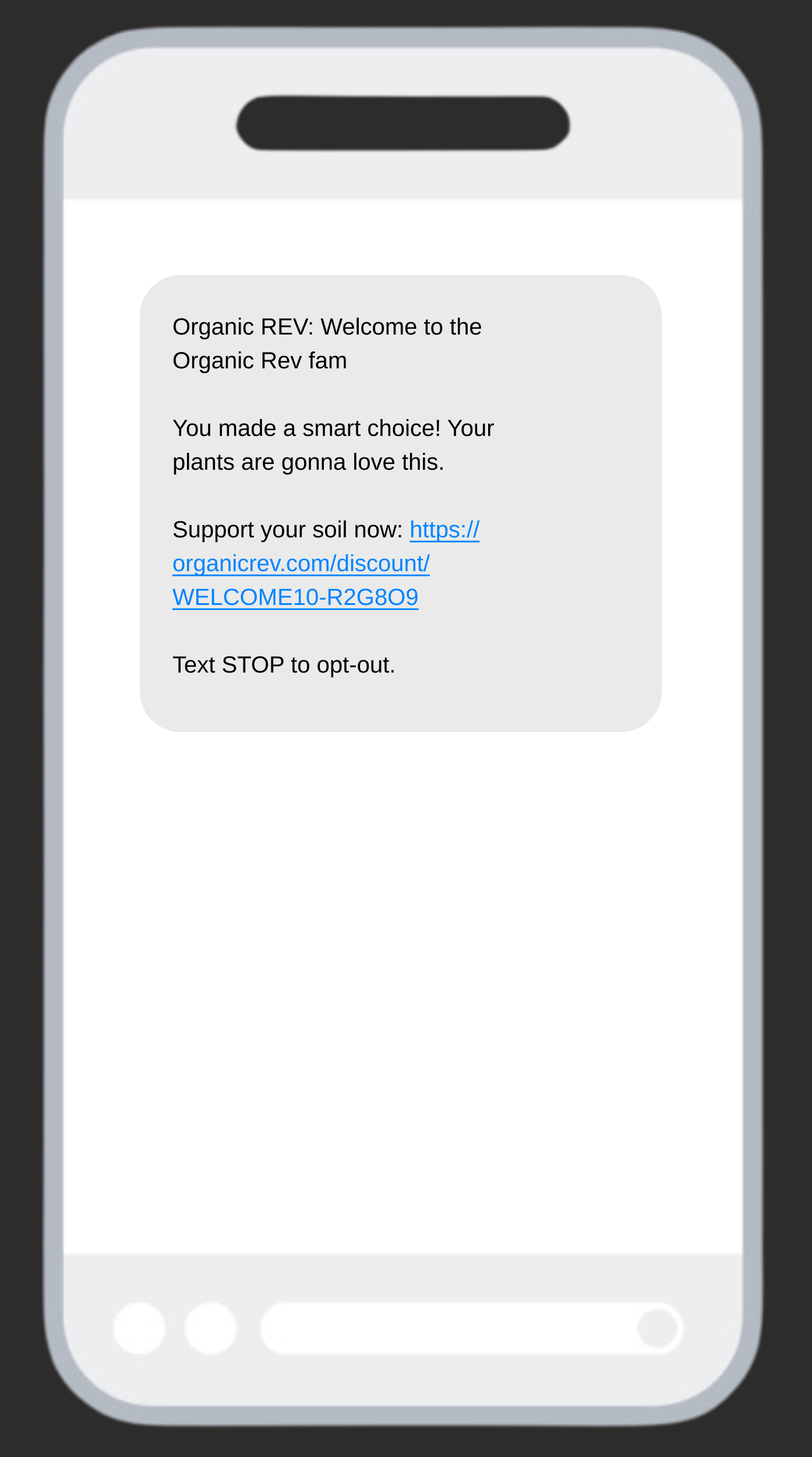
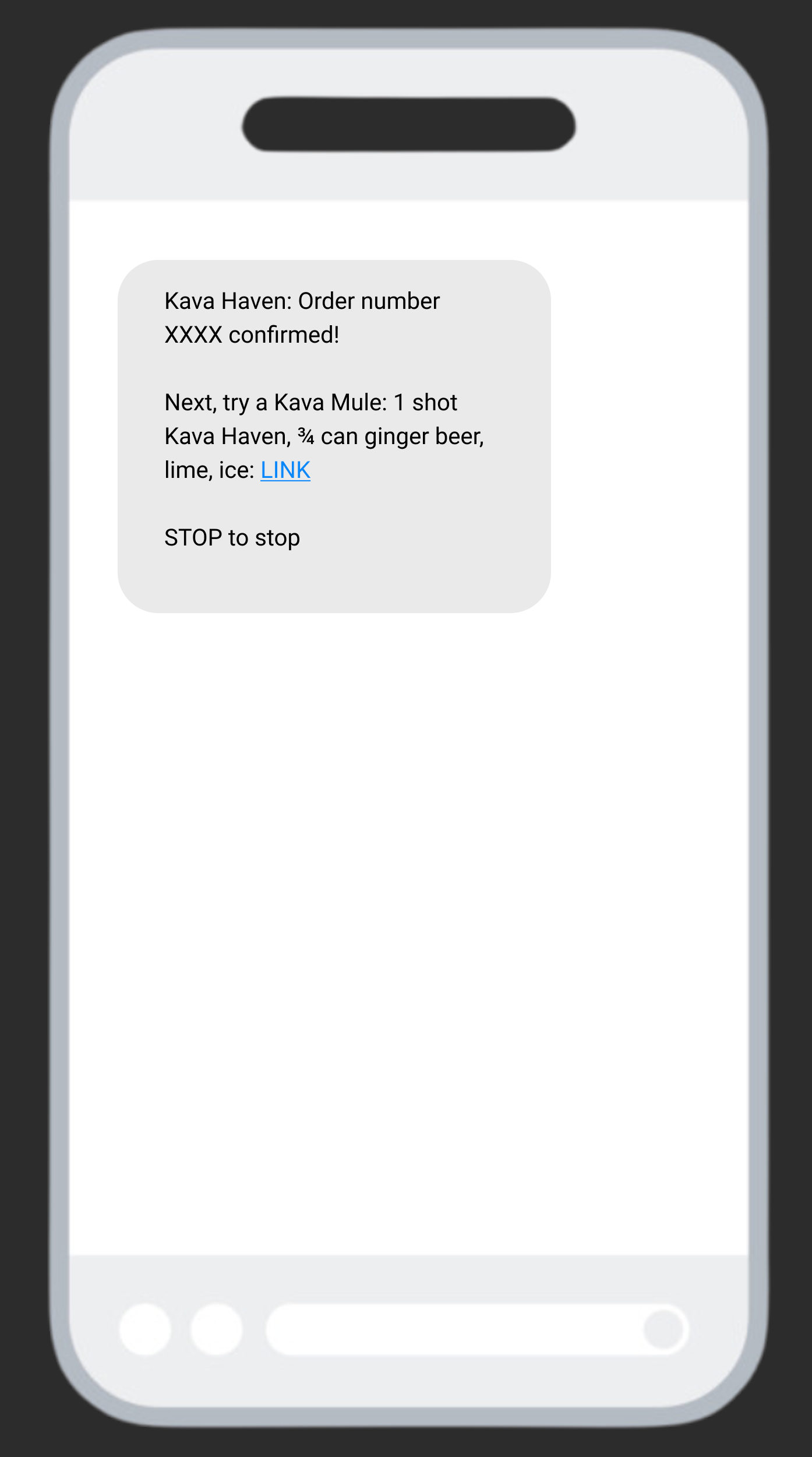
How fast can SMS grow from zero?
There is no reliable universal time-to-revenue promise for SMS. A program grows when it has a legitimate consent path, enough qualified traffic, reliable events, useful lifecycle coverage, and a message cadence that customers continue to welcome.
One ZHS first-party DTC-brand case turned an underused SMS channel into a material source of platform-attributed revenue after capture, consent handling, flows, and campaign operations were rebuilt. It is an internal case observation, not a forecast: paid traffic, list quality, country mix, offer, inventory, and the platform's attribution settings all shaped the outcome.
Build the foundation in this order:
- Make consent explicit and recoverable. Record the disclosure, source, timestamp, program purpose, and opt-out state.
- Build a clear capture path. Add SMS only where the person can voluntarily choose a distinct benefit.
- Verify the event and suppression logic. Test every flow with controlled profiles before making it live.
- Start with the highest-context messages. Prioritize moments where timing and relevance are obvious.
- Measure channel quality, not just attributed revenue. Review delivery, opt-out, complaint, support, margin, and repeat behavior by consent source and audience.
SMS vs email: which should you use for what?
Use both for different jobs. SMS works best when the message has a clear, timely reason to reach a consented person; email is usually the better surface for a fuller explanation, product education, merchandising, and visual story. They should be designed as one coordinated customer experience, not competing copies of the same send.
- A promised welcome or customer-relevant status update
- A launch, restock, or deadline with a real time component
- A simple recovery nudge tied to demonstrated intent
- A direct path to the exact page or action
- Brand story and product education
- Designed merchandising with multiple choices
- Long-form value content and newsletters
- Context, proof, and detail that should not be compressed into a text
Plan SMS cost from the current account
campaign cost = profiles actually messaged × current billable message units × current provider rate- Billing can vary by provider, plan, country, message type, media, carrier fees, and encoding
- Use the current provider calculator and contract rather than a generic character-count rule
- Evaluate margin and outcome by send, audience, and message purpose
Short, clear messages are good communication; billing rules must be verified in the live provider account.
How do you stay compliant with SMS marketing?
Build SMS on documented, purpose-specific consent and a clear opt-out path. Preserve the disclosure, source, timestamp, sender, and program purpose; apply location-aware quiet hours; and keep operational and promotional messaging separate. The exact requirements depend on jurisdiction, technology, and message purpose, so use the reviewed SMS compliance guide as the operating baseline and have qualified counsel approve the program.
This article explains ZHS marketing operations, not the legal requirements for a specific business. Federal and state rules, carrier programs, and platform behavior change. Have qualified counsel approve consent, disclosures, timing, classification, and recordkeeping before launch.
Treat compliance as infrastructure, not footer copy. Use a purpose-built marketing opt-in with clear disclosure, make the exit path functional, retain the evidence, and test the actual program behavior. A number provided for shipping or support is not automatically permission for unrelated marketing.
How do you capture SMS numbers?
Capture SMS consent as a separate, voluntary choice where the customer understands the marketing program and receives a distinct reason to join. A two-step popup can collect email for the primary offer first, then present an optional SMS path; checkout can work when its consent language, program purpose, and recordkeeping are correct.
Do not force a marketing-text opt-in, hide the decline path, or make an already-promised email benefit depend on SMS consent. The goal is a usable, welcome program, not a larger list assembled through pressure.
A consent-aware SMS capture path
- 01Primary offerCapture the email needed to fulfill the initial promise
Keep the requested information proportional to the exchange and state what happens next.
- 02Optional SMS pathPresent a separate marketing-text choice
Identify the sender, describe the program, include the required disclosure, and offer a real benefit without coercion.
- 03ConfirmationRecord and fulfill the program state
Store consent evidence, respect the current quiet-hour and confirmation behavior, and deliver the promise consistently.
Have qualified counsel approve the disclosure, consent flow, and channel behavior for the jurisdictions you serve.
Run mobile and desktop capture experiences as separate test cohorts when their layout or trigger logic differs. Compare eligible viewers, documented opt-ins, customer quality, and site impact; do not assume a single raw signup ratio applies across devices, countries, or traffic sources.
Which SMS flows should you build?
Prioritize flows with a clear consented audience, reliable event, customer-relevant job, and tested exit logic. For many DTC programs, the strongest candidates are welcome, cart or checkout recovery, browse follow-up, back-in-stock, and post-purchase, but none should be enabled merely because it appears on a standard list.
| Candidate flow | Entry condition | Customer-facing job |
|---|---|---|
| SMS welcome | New documented SMS marketing consent | Fulfill the stated program promise and set expectations |
| Cart or checkout recovery | Eligible shopper activity with no purchase | Help the shopper resume an interrupted decision without duplicate pressure |
| Browse follow-up | Sufficient product interest and valid channel eligibility | Reconnect to a relevant product only when the signal is meaningful |
| Back-in-stock | Requested availability update with inventory confirmed | Tell an interested person that the requested item is available |
| Post-purchase | Order, shipment, or lifecycle event with appropriate permission | Support the order or introduce the next relevant customer action |
The welcome flow is a useful default because a customer can become eligible for SMS later than email. Its timing, content, and quiet-hour handling must follow the actual consent promise and approved program rules; do not assume an immediate text is universally permitted.
Before enabling an SMS flow
- Document the exact entry event and eligible consent state
- Exclude purchasers, suppressions, and conflicting journeys deliberately
- Test quiet-hour behavior, stop logic, and fallback paths with controlled profiles
- Confirm the message fulfills a real customer-facing job
- Measure delivery, cost, outcome, opt-out, complaint, and support signals by cohort
A flow is ready when its eligibility, customer promise, and failure behavior are all testable.
For the abandonment and post-purchase flows, coordinate email and SMS rather than treating them as automatic duplicates. A customer may receive both channels when the message jobs and pressure rules make sense; build explicit eligibility and suppression rules instead of assuming the platform will make the strategic decision for you.
How often should you send SMS campaigns?
Start with a lean, high-value cadence and expand only when the incremental sends remain useful for the relevant consented cohort. Reserve campaigns for real customer moments, launches, restocks, a changing deadline, or news the customer benefits from knowing promptly, rather than filling an SMS calendar with email-style commentary.
Frequency is a testable operating decision, not a universal number. Segment by current engagement and recent customer behavior, watch the trend rather than a single send, and slow down before the program develops fatigue signals. A clear message should have one purpose, one destination, and a reason to exist now.
For a launch, define the entitlement before sending: what early access means, which audience is eligible, when the offer changes, and how email carries the fuller story. The SMS campaigns guide has campaign patterns to adapt, but validate the pressure rules and audience in your own account.
Which Klaviyo SMS settings should you change?
Configure SMS settings from the customer journey and verify their live behavior in the account; do not apply a universal "on" or "off" rule. Quiet hours should remain location-aware and counsel-approved, while send-frequency controls need to be tested against the journey so they do not create accidental duplicates or unwanted gaps.
Quiet hours. Keep the platform's location-aware controls active and configure the strictest counsel-approved rule for the program. Platform defaults can change, and an immediate response is not a blanket exception.
Frequency controls. Inspect the actual suppression behavior for every flow and campaign. If a frequency control drops an important message, decide whether to redesign the journey, change eligibility, or make a documented exception, rather than disabling it everywhere.
Tracking. Use consistent campaign identifiers and UTM conventions where appropriate, then verify that the receiving analytics system records the channel and campaign the way your reporting model expects.
Sender recognition. Make the sender identity obvious in the message and keep it consistent across the program. A contact card or branded sender may help recognition in a given setup, but it is not consent evidence or a guarantee of delivery.
Platform choice. Choose the platform whose consent controls, integrations, deliverability support, reporting definitions, pricing, and operational workflow fit the actual program. Do not select it from a generic attributed-revenue claim or an unverified feature comparison.
What are good SMS marketing benchmarks?
There is no single credible SMS benchmark table that applies across countries, providers, consent sources, message types, billing models, and attribution settings. Establish your own baseline by cohort, then use directional diagnostics to decide what needs investigation.
A defensible SMS scorecard
send-level decision = customer outcome by eligible cohort − fully loaded channel cost − negative-signal risk- Keep message type, audience, consent source, and attribution definition visible
- Compare trends and matched cohorts instead of one blended account average
- Investigate opt-outs, complaints, delivery issues, and support contacts alongside attributed revenue
- Use experiments or holdouts when causal claims are important enough to justify them
This is the ZHS measurement stance: ranges can be useful only after the denominator and cohort are clear.
| Metric | Ask this instead of applying a generic threshold |
|---|---|
| Opt-out and complaint trend | Did the current message, frequency, or consent source create a worsening trend against its own comparable cohort? |
| Click and conversion | Did the eligible audience take the intended action at a worthwhile rate relative to a comparable send? |
| Revenue and margin | Does the result remain worthwhile after discounts, billing, refunds, fulfillment, and attribution limitations? |
| List growth | Are new subscribers documented, reachable, and later behaving like qualified customers? |
| Deliverability and support | Is the program reaching people cleanly without creating confusion, complaints, or service burden? |
What are the most common SMS marketing mistakes?
The recurring mistakes are treating SMS as a second email list, collecting consent unclearly, sending without a customer-facing reason, and optimizing only for attributed revenue. A program that gains a short-term click while degrading consent quality or customer trust is not healthy growth.
- Blasting everyone. Build deliberate eligibility from consent, engagement, lifecycle state, and the message job.
- Buying or importing ambiguous numbers. Treat uncertain consent as ineligible until it is resolved with appropriate evidence.
- Writing SMS like email. Make the message concise and give the person one clear next step.
- Texting at the wrong time. Respect location-aware quiet hours and the approved program rules.
- Ignoring full cost. Use the live account's billing definition and include discount, refund, fulfillment, and support effects in the decision.
- Enabling flows without QA. Test entry, suppression, consent, timing, fallback, and reporting before a customer sees the message.
Get Expert Help
Our team builds consent-aware SMS programs that coordinate with email: strategy, capture, flows, campaigns, measurement, and the operating controls behind them.
Need help implementing this?
We build and manage complete email & SMS programs for DTC brands. Get a custom plan for your brand.
Get Your Free Audit + Gameplan