SMS Campaigns: What to Send Without Getting Muted
Plan permissioned SMS campaigns with a clear customer purpose, documented controls, and a cadence you can defend.
- Choose the correct SMS audience and message
- Apply consent, timing, and measurement safeguards
SMS is a permissioned, high-attention channel. A poor message can lead to opt-outs, mutes, complaints, or reduced trust, so each campaign needs a clear customer-facing purpose, appropriate channel-specific consent, and a way to monitor the outcome.
The ZHS standard is not a universal open-rate or frequency promise. Send only when the message is timely enough for a mobile interruption, the audience is eligible, and the team can explain why that customer should receive it now.
Use SMS for permissioned, timely messages with one clear customer job. Start with a conservative cadence based on the signup promise and product cycle, then review delivery, clicks, conversion, revenue, opt-outs, complaints, and support signals before expanding. Let SMS carry the concise alert when it adds value; let email carry detail when detail is needed.
Consent, opt-out, quiet-hour, disclosure, and message-purpose requirements depend on jurisdiction, program design, and current carrier and platform rules. Have qualified counsel approve the program, and verify the live platform configuration before launch.
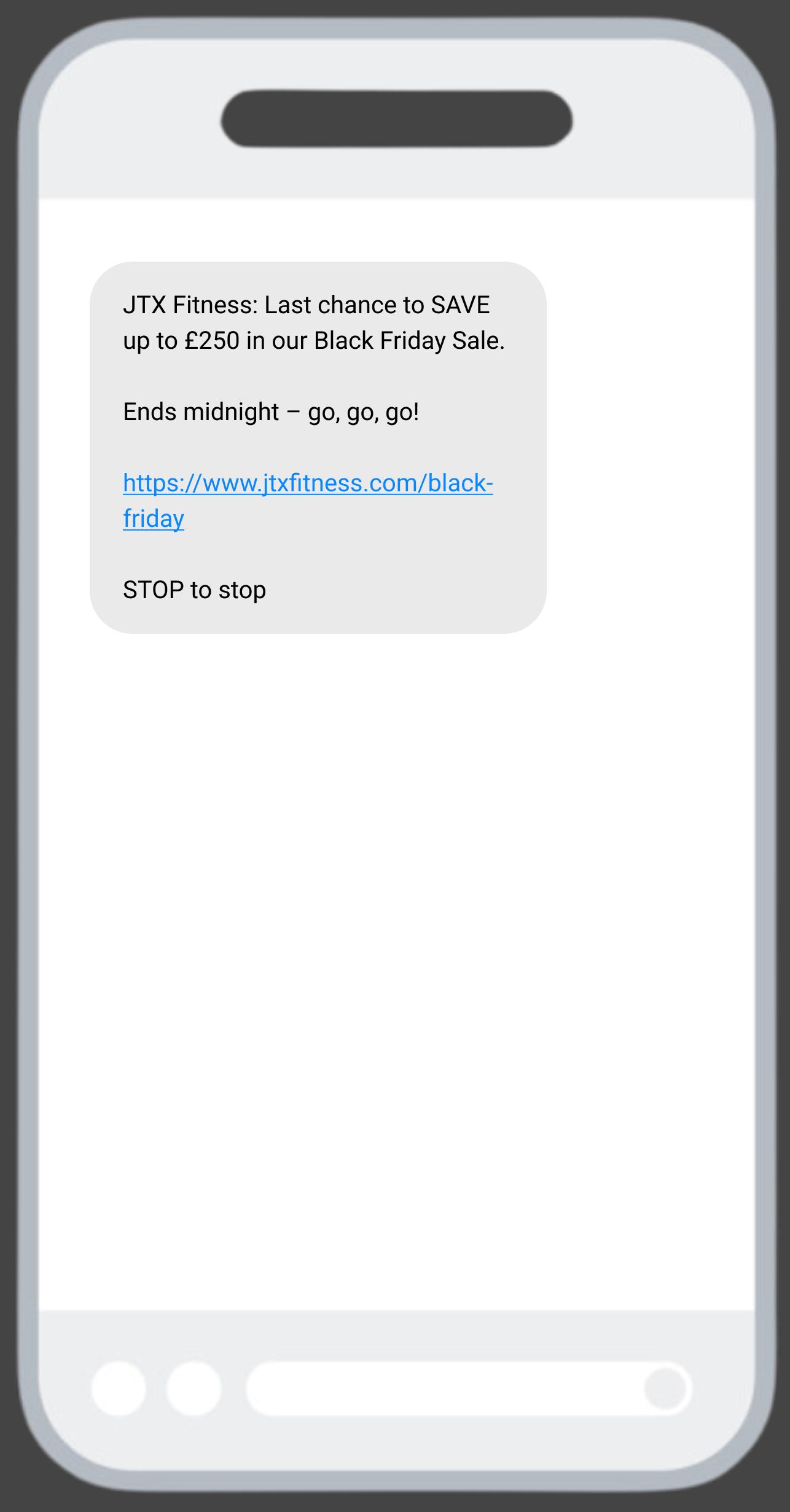
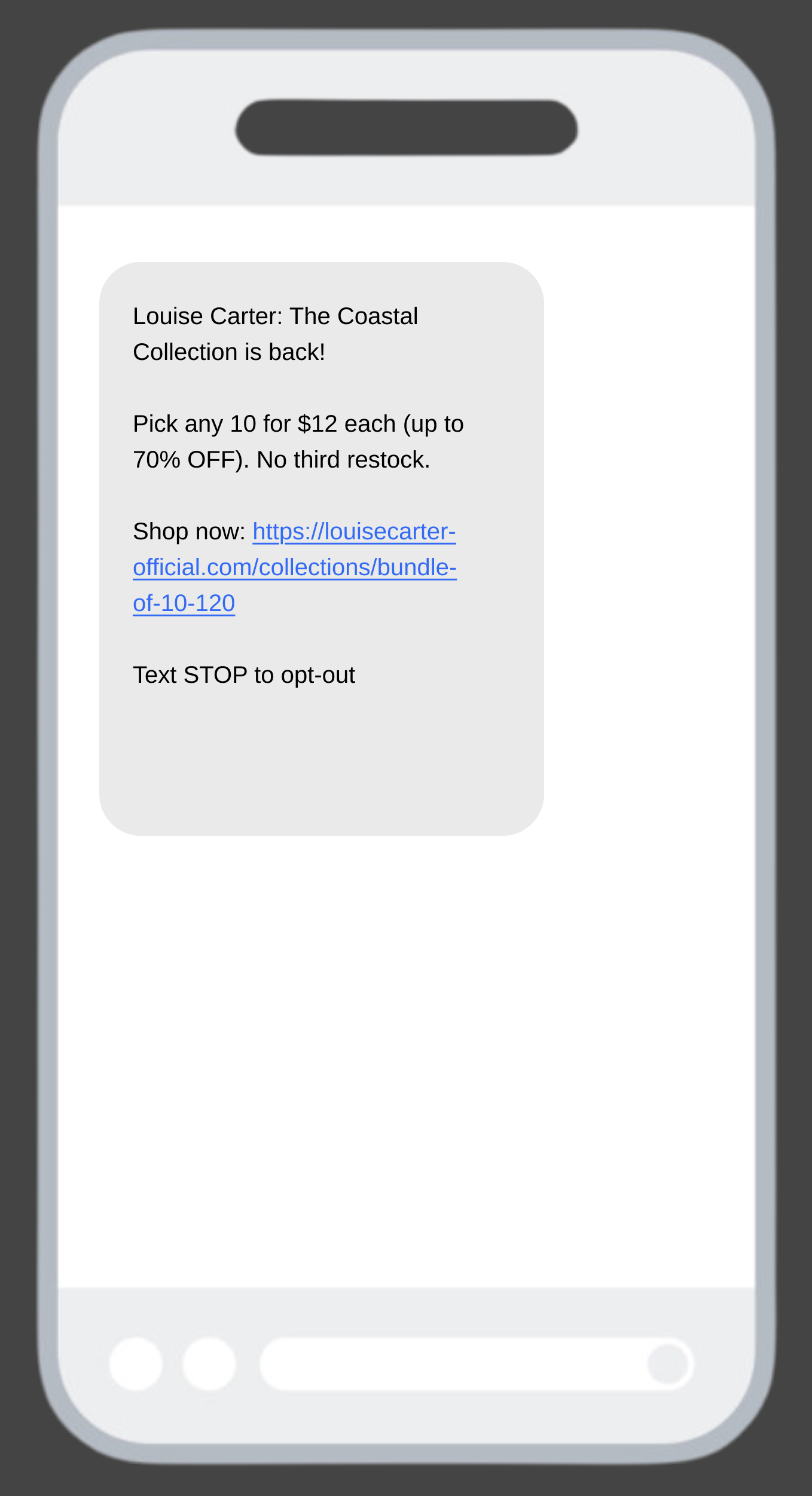
What should you send in an SMS campaign?
Prioritize messages that are both timely and specific to the recipient: a verified offer deadline, a launch, a restock someone requested, a real availability change, or an operational deadline that affects their decision. These are examples to test, not a complete list or a permission to text every subscriber.
Before every send, ask: would the customer reasonably benefit from knowing this on their phone now? If the answer is unclear, use email or wait until the campaign has a clearer customer job.
- Verified offers with a real deadline. State the actual condition, eligible audience, and end time; do not create artificial urgency.
- Drops and launches. Consider early access only when the offer, inventory, and subscriber expectation are clear. See how to run a product launch or drop.
- Requested restocks. Tell people when the item or size they requested is genuinely available, with an inventory-aware landing page.
- Availability or last-chance changes. Use only when the stock or product status is accurate and the customer can act on it.
- Time-sensitive operational news. A delivery cutoff or event update can qualify when it is verified for the recipient's context.
What should you never send over SMS?
Default to email for material that does not need an immediate mobile interruption. This is a ZHS editorial rule, not a legal classification: a newsletter or educational message may be appropriate in a program with a clear subscriber expectation and immediate utility, but it should not be sent merely because an SMS audience exists.
Treat these as a decision filter rather than a permanent yes-or-no table.
| Send type | SMS decision rule |
|---|---|
| Verified flash sale | Use only for opted-in, eligible people when the deadline is real |
| Product launch | Use when the audience has a defined access or relevance reason |
| Back in stock | Prefer requested or product-interested audiences, with live inventory QA |
| Low-stock or last-chance | Use only when the availability statement is true and actionable |
| Delivery cutoff | Use only with an operations-approved, destination-aware promise |
| Weekly newsletter | Default to email unless the SMS expectation and immediate value are explicit |
| Blog post or brand story | Default to email unless it has a timely, subscriber-relevant reason to arrive now |
| Education without a time-sensitive action | Default to email or an automated journey with a defined customer job |
| A promotion already sent repeatedly | Review fatigue, overlap, and incremental value before adding another channel touch |
| "Just checking in" | Do not send without a specific customer benefit |
Some recipients may mute a number without sending a visible opt-out. Review opt-outs, complaints, delivery or carrier errors, clicks, conversion, revenue, replies, and support feedback together; a single engagement metric cannot prove that the program is healthy.
How often should you send SMS campaigns?
There is no defensible cross-brand campaign count. Start with the frequency implied at opt-in, the product's purchase cycle, and the value of the planned message; then adjust only after reviewing performance and negative signals for the specific audience.
Email and SMS do not need matching calendars. The ZHS approach is to give the most relevant, consented audience the messages it can reasonably expect, while reducing or pausing promotional pressure for audiences that are cooling or showing negative signals.
- More-engaged subscribers. Define this group from documented behavior that fits the product cycle, such as recent purchase, click, or active interest, not a copied date window.
- Lower-engagement subscribers. Reserve SMS for the clearest, highest-value moments and evaluate whether the contact still benefits from promotional messages.
Run a controlled cadence review: document the audience, message purpose, frequency, revenue, cost, opt-outs, complaints, and support signals. Expand only if the evidence supports it; reduce or pause when the customer experience deteriorates.
Which Klaviyo settings apply to SMS campaigns?
Verify Smart Sending, quiet hours, consent eligibility, and tracking in the actual account before every campaign type goes live. The correct configuration is account- and program-specific; platform defaults and a prior team's settings are not proof that the current campaign is safe or correctly targeted.
Smart Sending can change who is eligible to receive a campaign, so document the setting and QA its effect with representative profiles. Keep quiet-hour behavior aligned to the current platform logic and counsel-approved program rules, including recipient location and message purpose. Turn on tracking only when it matches the team's measurement convention, and validate that the resulting parameters and attribution are useful in the reporting stack.
How long should an SMS campaign be?
Keep the message compact enough to make one customer-facing point clear, with only the link or reply path needed to act. Encoding, carrier behavior, and platform billing can affect how a message is handled, so preview the final copy and verify the current account behavior before launch rather than relying on a universal character rule.
Every campaign text should make three things easy to understand:
- Who it is. Identify the brand in the way the subscriber was told to expect.
- Why it matters now. State the offer, launch, availability change, or deadline plainly and accurately.
- What to do next. Use a clear destination or supported response path that matches the message.
[Brand]: The new drop is live. Eligible early orders receive a free gift while supplies last: [link]
[Brand]: Your requested size is back in stock. Check live availability: [link]
Avoid extra links, unexplained abbreviations, and copy that makes the recipient guess what happens after the tap.
Should you send SMS and email together?
You can pair SMS and email when each channel has a distinct job, the subscriber has appropriate consent, and the combined sequence creates more value than repeated pressure. Do not automatically send both channels for every campaign or duplicate the same copy without a measurement reason.
In the ZHS model, SMS can carry the concise alert and email can carry the product detail, proof, and context. Decide the sequence from customer expectations, timing, and an incrementality hypothesis, then monitor overlap and negative signals alongside attributed revenue.
- A concise, verified time-sensitive update
- One customer-facing action or destination
- A consented audience with a reason to receive it
- A campaign plan that monitors frequency and overlap
- Product context, images, proof, and fuller explanation
- Audience-specific content and broader campaign support
- Supporting detail for the offer and CTA
- A complementary job instead of a copied text message
Should you send SMS and email together
- 01Before launchDefine the channel jobs
Document whether SMS has a distinct, consented reason to alert this audience and what detail email must carry.
- 02When the event is liveSend the clearest eligible alert
Use SMS only if the message is timely, accurate, and useful on its own; otherwise let email lead.
- 03During the campaign windowUse email for context
Give the recipient the product detail, proof, and landing-page clarity that the short alert does not carry.
- 04Before a follow-upReview overlap and signals
Check who already received, clicked, converted, opted out, or showed a negative signal before adding another touch.
A channel-orchestration framework; decide the sequence from consent, customer value, and measured overlap.
What are the most common SMS campaign mistakes?
The common failures are treating SMS as a second email list, using fabricated urgency, expanding cadence without evidence, ignoring eligibility, writing ambiguous messages, and duplicating the email without a channel-specific reason. Each is preventable with a campaign brief and pre-send QA.
- Treating SMS like a second email list. Start with a clear reason the message needs a mobile interruption, not a spare piece of content.
- Using a deadline that is not real. Verify the condition, audience, inventory, and landing-page parity before you state urgency.
- Expanding frequency by habit. Document the signup expectation and review negative signals before increasing pressure.
- Blasting every consented contact. Build eligibility around relevance, current consent, recent behavior, and existing ownership where applicable.
- Cramming in competing actions. Give the message one clear job and QA the final mobile rendering.
- Duplicating email word for word. Assign a distinct role to each channel and measure the combined experience.
Get Expert Help
Our team builds consent-aware SMS campaign systems with documented audiences, message roles, quiet-hour checks, tracking, and cadence reviews. We help teams decide what belongs in a text, what belongs in email, and what evidence is required before expanding the program.
Need help implementing this?
We build and manage complete email & SMS programs for DTC brands. Get a custom plan for your brand.
Get Your Free Audit + Gameplan