The SMS Flows Every DTC Brand Should Run
SMS is not just for campaigns. The right automated SMS flows recover carts, welcome buyers, and drive reorders, all in a channel people actually read.
- Choose the correct SMS audience and message
- Apply consent, timing, and measurement safeguards
Most brands treat SMS as a campaign channel. They blast a text when there is a sale, then go quiet.
That leaves the best part of SMS on the table: the automated flows that run in the background and bring money back every single day.
SMS can be seen sooner than email for a consented subscriber, which makes it useful for selected time-sensitive moments. That same immediacy raises the cost of a poorly timed or repetitive message, so each flow needs a distinct customer job and account-wide pressure checks.
Here is what a few of these look like in practice.
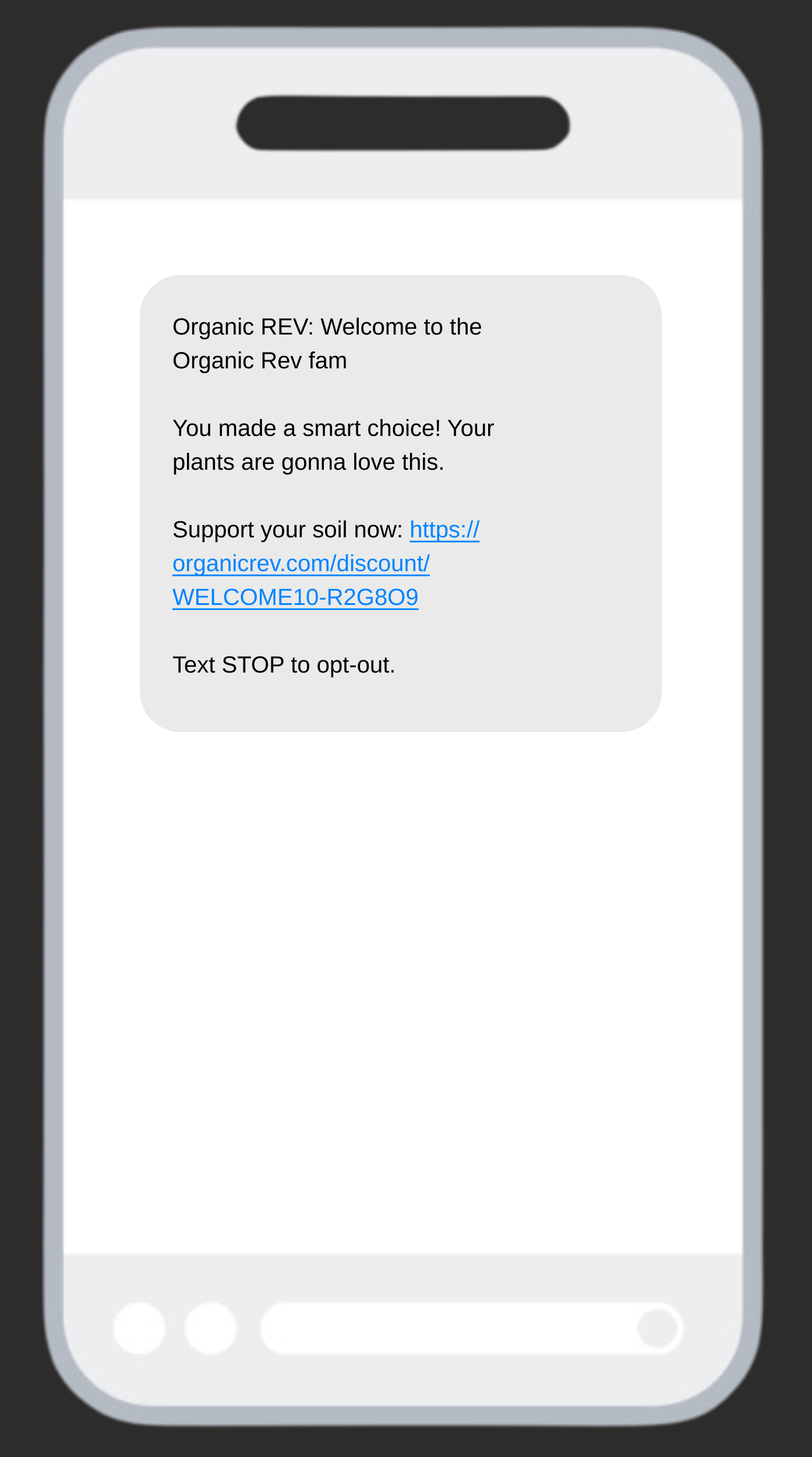
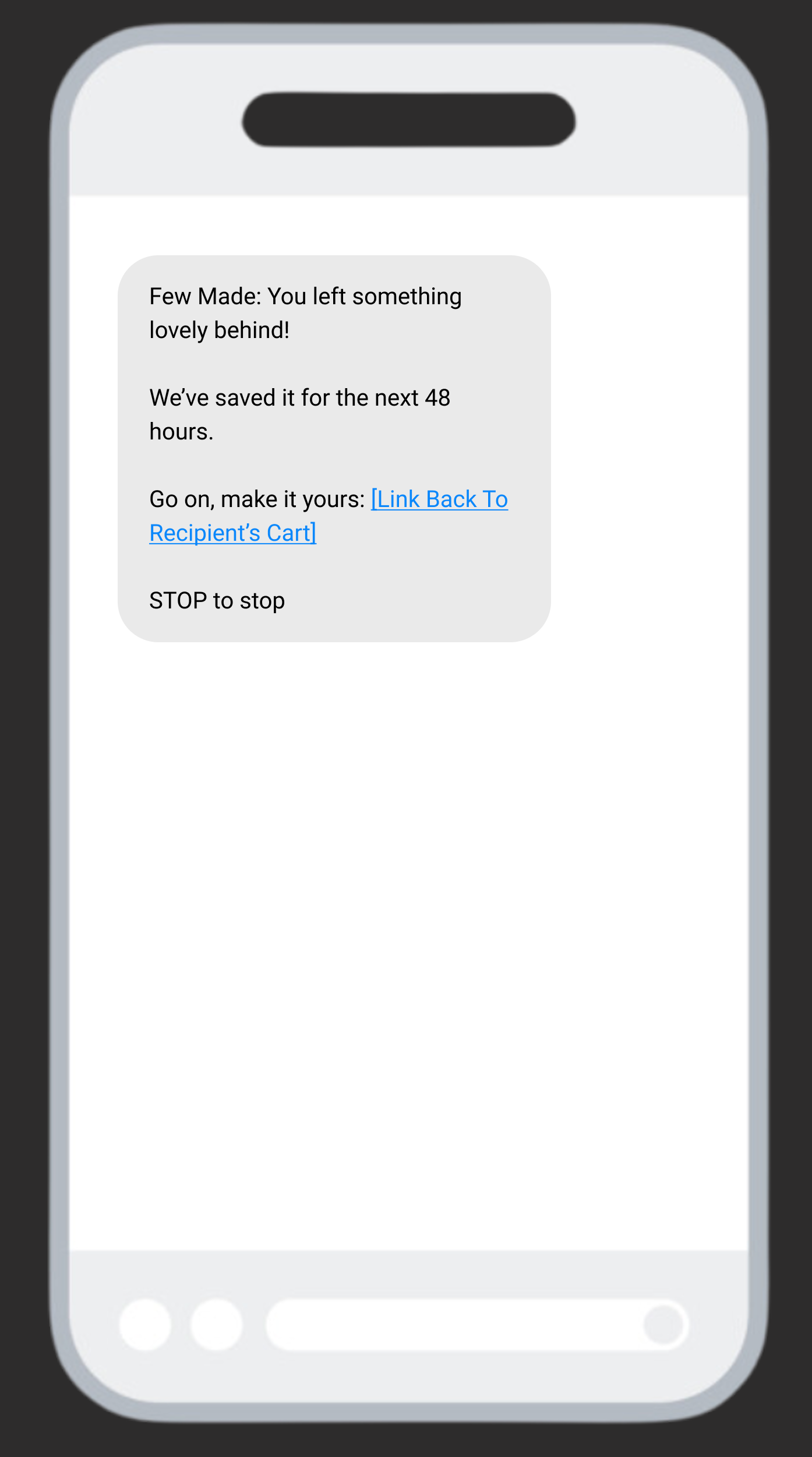
Why do SMS flows matter for DTC brands?
SMS is useful because of timing and attention, not because every automation belongs in the channel. A text can land close to the moment a shopper opts in, starts checkout, browses, or asks for a restock. That immediacy also makes overuse expensive: consent, eligibility, quiet hours, and cross-channel pressure must be designed into every flow.
Build SMS welcome first, then layer consented messages into checkout, cart, browse, back-in-stock, and post-purchase journeys where each text has a distinct job. Keep every marketing text to one idea and one link. Use the account's compliance-approved quiet hours and an account-wide pressure rule so flows and campaigns cannot pile up. Treat SMS and email as one plan rather than duplicating the same message.
SMS is the channel people actually read. That is your advantage and your risk. Get a text in front of the right person at the right moment and it converts. Send one text too many and they hit unsubscribe for good.
So SMS flows are not about volume. They are about timing.
How should SMS work with email?
Treat SMS and email as one plan, not two. Email carries the long story, the education, proof, and design. SMS carries the short, timely tap that needs to be seen NOW. Never fire the same message on both channels in the same hour. Stagger them 30 to 60 minutes apart so a customer feels two helpful reminders, not spam.
The mistake I see most often: brands run the same message on both channels at the same time. Now the customer gets an email and a text saying the identical thing, and both feel like spam.
Treat the two channels as one plan, not two.
Email carries the long story: the education, the objection handling, the proof, the design. SMS carries the short, timely nudge that needs to be seen NOW.
A clean split looks like this.
- Email does the heavy lifting. Full welcome series, product education, the detailed cart recovery with the product photo.
- SMS does the timely tap. One short text that lands the moment it matters, then gets out of the way.
- They never fire at the same second. Stagger them. Email at zero, SMS 30 to 60 minutes later, or the reverse. The customer should feel two helpful reminders, not one wall of noise.
Here is the stagger rule on an abandoned checkout, minute by minute.
How should SMS work with email
- 010:00Checkout abandoned
The trigger fires and eligibility checks begin.
- 02First eligible touchChoose the channel job
Use either the timely SMS tap or the richer email based on consent, recent pressure, and your tested sequence.
- 03Next touchStagger the second channel
Only add the other channel when it contributes new information and the shopper has not purchased.
- 04OngoingRespect account-wide pressure
Evaluate campaigns and every active flow together so a subscriber is not crowded by unrelated messages.
Structured from the canonical article steps for responsive reading and presenter mode.
Map every flow across email and SMS together before you build. Decide what each channel says and when it fires, so a customer never gets the same message twice in the same hour.
What SMS flows should every brand run?
Evaluate six lifecycle placements: dedicated welcome, checkout abandonment, cart abandonment, browse abandonment, back-in-stock, and post-purchase. Each fires on behavior, but not every eligible profile should receive SMS. Start with welcome, then add the highest-intent placements where consent and account-wide pressure allow it.
These are the automated SMS flows worth building. Keep every text short, timely, and tied to one clear action.
| Flow | Timing | Message |
|---|---|---|
| Welcome SMS | Right after opt-in | Say hi, deliver the code (if you promised one), set the tone. |
| Abandoned checkout SMS | ~30 min after they leave | Remind them what they left, link straight back to their cart. |
| Post-purchase | After an eligible order milestone | Helpful education, review, replenishment, or cross-sell with marketing consent |
| Browse and cart abandonment | After qualified product or cart intent | A selective nudge when it adds a different job from email |
| Back-in-stock SMS | The moment stock returns | Tell the people who asked, first come first served. |
Order and shipping notifications can follow different consent rules from marketing, but promotional content can change how a message is classified. Keep operational notifications separate, minimize promotional language, and have counsel or your compliance platform approve the program. This guide focuses on marketing lifecycle messages.
Welcome SMS. Someone just handed you their number. Say hi, fulfill whatever the form promised, identify the brand, include required opt-out language, and set expectations. Use the dedicated SMS welcome SOP to build and test it.
Abandoned checkout SMS. Someone started checkout and left. Test a short, consented message after the timing that fits the account’s email sequence, quiet-hour policy, and pressure rules. Point directly back to the checkout or cart, and pair it with the abandoned cart recovery flow only when each channel contributes different information.
Shipping and order updates. Operational updates can be useful customer service, but their consent treatment and promotional boundaries may differ from marketing. Keep them separate from promotional lifecycle logic and verify the program with the relevant platform and counsel.
Back-in-stock SMS. When someone specifically requests a text alert and has valid consent, an SMS can be appropriate because the customer asked for that moment. Use the back-in-stock email flow as a companion only when the two messages are coordinated rather than duplicated.
Why winback is not a core SMS flow. Winback targets low-engagement profiles and adds channel cost and unsubscribe risk. ZHS defaults to the email winback flow; test SMS reactivation only when consent, recent purchase behavior, unit economics, and pressure rules make a specific segment defensible.
How do you write an SMS that converts?
Keep it short, timely, and proportionate. Lead with the one thing, the offer, checkout, product, or restock, and cut everything else. Include one destination. Apply the quiet-hour policy and disclosure rules in the SMS compliance guide, then enforce pressure across the account rather than setting an isolated cap on each flow.
SMS has no subject line and no design. The whole message is the copy. So write like a person, not a brand.
Lead with the one thing. The offer, the cart, the restock. Cut everything else.
Link once. One clear tap, straight to where they need to go.
Respect quiet hours. Use the recipient's local time and the current legal/platform policy documented in the SMS compliance guide. Do not copy a static time window into every account without reviewing applicable rules.
Control total frequency. A subscriber experiences campaigns and flows together. Use Smart Sending or equivalent account-wide logic, flow filters, and exclusions to prevent collisions, then review actual messages per profile.
Sound human. "Still thinking it over? Your cart's saved" beats "DON'T MISS OUT" every time.
Here is a cart recovery text that does the job in one line.
Still thinking it over? We saved your cart so you can pick up right where you left off: [link]
And a welcome text that delivers on the opt-in without shouting.
Welcome to [Brand]. Here's the code you signed up for: [CODE]. Have a look around: [link]
What are the most common SMS flow mistakes?
The six mistakes below cost brands the most money. The biggest one is running SMS as a straight copy of email, so the customer gets the same message twice at once. Close behind: writing long texts, ignoring quiet hours, skipping a frequency cap, discounting every recovery text, and never building the timely flows in the first place.
- Running SMS as a copy of email. Same message, same minute, both channels. Split the roles so each one earns its place.
- Writing long texts. No subject line, no design, just words. One idea, one link, done.
- Ignoring quiet hours. A late-night or early-morning text is the fastest way to lose a subscriber. Apply the current policy in the compliance guide using the recipient's local time.
- No frequency cap. Chasing the same person over and over trains them to unsubscribe. Cap it, especially on recovery flows.
- Discounting every recovery text. Leading with money off teaches people to wait for the next code. Save discounts for first-time shoppers, and only after the first reminder.
- Skipping the customer-requested moments. Prioritize consented welcome, checkout, cart, back-in-stock, and post-purchase moments where a fast message has a distinct customer job before adding more generic campaign volume.
Get Expert Help
Our team builds email and SMS as one connected system, so every flow fires at the right moment on the right channel without stepping on itself. If you want us to map your SMS flows and find the revenue sitting unused, we can show you exactly where it is hiding.
Need help implementing this?
We build and manage complete email & SMS programs for DTC brands. Get a custom plan for your brand.
Get Your Free Audit + Gameplan