Cross-Sell and Upsell Without Being Annoying
Use first-party purchase signals to make a more relevant next-product recommendation in email and SMS.
- Plan the campaign using the framework in this lesson
- QA the offer, audience, creative, and measurement plan
Why is cross-selling to existing customers cheaper than new ads?
Existing customers provide first-party purchase, category, timing, and value signals. That makes a relevant next-product recommendation a sensible lower-friction hypothesis to test against cold acquisition; it does not guarantee a lower cost or a fixed share of revenue. Model the opportunity from eligible buyers, product fit, repeat cycle, conversion, contribution margin, and incrementality.
Cross-sell works when the next message helps someone get more value from a product they already chose. Upsell works when a larger, premium, or bundled option genuinely fits the buying moment. Both should be measured as incremental decisions, not assumed revenue.
Cross-sell adds a companion product; upsell offers a more suitable version, bundle, or tier. In the ZHS operating view, start with purchase history, a product-specific eligibility rule, and a safe bestseller fallback. Use the post-purchase journey, replenishment logic, and buyer-segment campaigns as complementary placements, then compare conversion, margin, repeat behavior, unsubscribes, and support signals against a documented baseline.
What is the difference between cross-sell and upsell?
A cross-sell offers a complementary product after or alongside a purchase. An upsell offers a larger, premium, or bundled version of the product decision. The distinction matters because the product relationship, timing, margin, and eligible audience are different.
- A complementary product that pairs with what the customer bought
- For example, an accessory, adjacent product, or use-case add-on
- Usually evaluated after a purchase or against a past-buyer segment
- Success depends on product fit, inventory, margin, and customer context
- A larger, premium, bundled, or multi-unit version of the same decision
- For example, a size, tier, pack, or bundle that solves the same job better
- Often considered near the buying decision or at a verified replenishment moment
- Success depends on clear value, availability, and contribution margin
How do you pick the right product to recommend?
Use purchase history and catalog relationships rather than a generic recommendation block. Match the next product to what someone actually bought, exclude products that should not be promoted, and configure a safe fallback so the message still renders when a feed has no eligible item.
The ZHS starting rule is relevance before reach. A recommendation should pass four checks: the customer owns the anchor product, does not already own the recommended item, can receive the channel, and can actually buy the item now.
| They Bought | Candidate Next Product | QA Question |
|---|---|---|
| An entry product | A natural companion product | Does it complete the same customer job? |
| A single unit | A multi-unit or bundle option | Does the economics improve for both customer and brand? |
| A consumable | A refill or replenishment option | Is the timing based on real use or reorder evidence? |
| A standard tier | A premium option | Is there a clear customer-facing benefit to the upgrade? |
| One category | An adjacent category | Does customer behavior support the connection? |
Exclude gift cards, out-of-stock items, and bundles that create bad logic from the dynamic feed. Set a fallback that meets the same editorial standard, then preview the message with representative profiles before it goes live.
Where should cross-sell and upsell emails live?
Cross-sell and upsell can live in three complementary places: a post-purchase journey, product-specific replenishment logic, and dedicated buyer-segment campaigns. The right mix depends on product use, event quality, consent, inventory, and whether each placement can be measured separately.
Where should cross-sell and upsell emails live
- 01After a usable product periodPost-purchase journey
Use delivery, product-use, or customer-support context to decide when a companion recommendation is relevant. Test the delay rather than assuming one timing fits every product.
- 02At a verified replenishment pointReplenishment logic
For consumables, derive a refill hypothesis from product guidance and observed reorder behavior. Keep the upsell only when inventory, margin, and customer value support it.
- 03When a segment has a defined product gapDedicated campaigns
Build a buyer segment around a specific product relationship, such as owners of product A who do not own product B. Measure it separately from flow activity.
A ZHS placement framework; timing and eligibility require product-specific QA.
Define VIP from the brand's actual repeat-purchase and lifetime-value distribution, not from a universal order-count rule. A dedicated VIP and loyalty flow can then reward the group with an offer or recommendation that fits its demonstrated behavior.
When should you send a cross-sell or refill email?
Send based on a documented product-use hypothesis, not a generic calendar delay. Estimate the period from fulfillment and delivery data, product instructions, customer feedback, and observed reorder behavior; then test whether the message arrives before the need without creating unnecessary pressure.
Timing is a product decision. A refill message should arrive when replenishment could be useful, while a companion recommendation should wait until the customer has had a reasonable chance to receive and use the anchor product.
For a consumable, document the intended use and compare it with actual reorder data before setting a delay. For a durable product, use a delivery confirmation or relevant use event before introducing an accessory or education-led cross-sell. Review the result by product, cohort, and margin; do not copy a delay from another catalog.
Will cross-sell emails annoy your customers?
They can when the product relationship is weak, the timing is wrong, or the audience receives repeated promotional pressure. A relevant recommendation can be helpful, but relevance should be proven with engagement, conversion, margin, unsubscribe, complaint, and support signals rather than assumed from a fixed content-to-promotion ratio.
In the ZHS operating view, pair a promotional recommendation with useful product education, use cases, or ownership support when that content genuinely serves the buyer. Set frequency by audience engagement and customer experience, and suppress people who already own the recommendation or show negative signals.
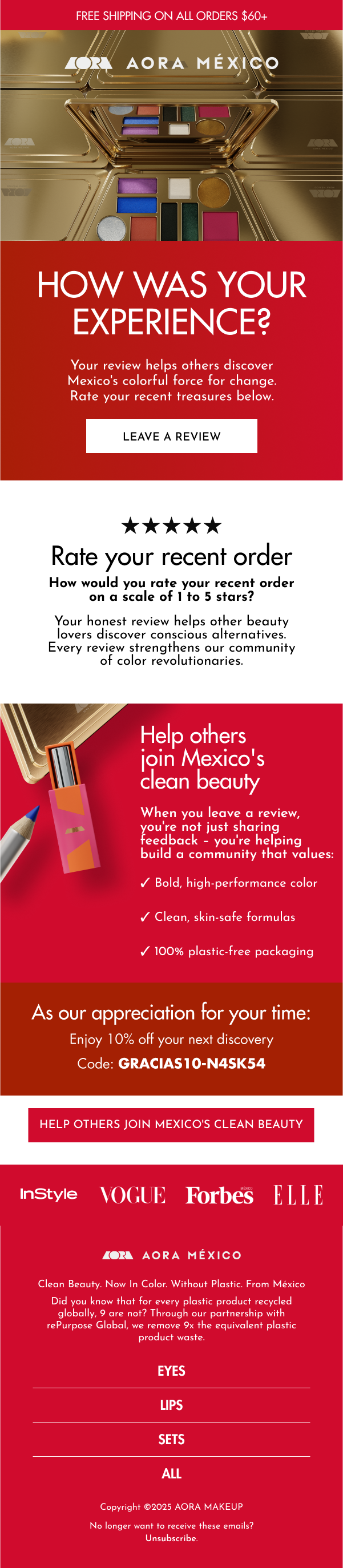
Almost out? Your refill is ready when you are. Review your options: [link]
If you use an offer, make the value and eligibility clear. A bundle, multi-unit option, threshold offer, or non-discounted convenience angle may be worth testing when it protects margin and solves a real customer need. See campaigns without discounts for alternative campaign structures.
What are the most common cross-sell mistakes?
The recurring failures are weak product relationships, incomplete feed rules, copied timing, undifferentiated audiences, and excessive promotional pressure. Each is preventable with clear eligibility, QA, and measurement.
- Recommending a random product. Build from the anchor purchase and a defensible customer job, not a generic product feed.
- Leaving the feed unguarded. Exclude products that create bad logic and configure a fallback that still meets the message standard.
- Copying a timing rule. Derive the delay from product use and delivery reality, then test it against a baseline.
- Sending the same upsell to every buyer. Exclude current owners and segment by the product relationship, using the same email segmentation strategy used elsewhere.
- Treating every message as a sale. Review frequency and negative signals alongside revenue, then add education or ownership support where it improves the experience.
Get Expert Help
Our team maps catalog relationships, post-purchase journeys, replenishment hypotheses, and buyer segments to the data your brand can actually support. We build the QA and measurement plan alongside the campaign so the recommendation can be evaluated as an incremental program, not a promise.
More patterns to study
Curated creative references for this lesson. Study the mechanism, then adapt it to your own audience, offer, and evidence.
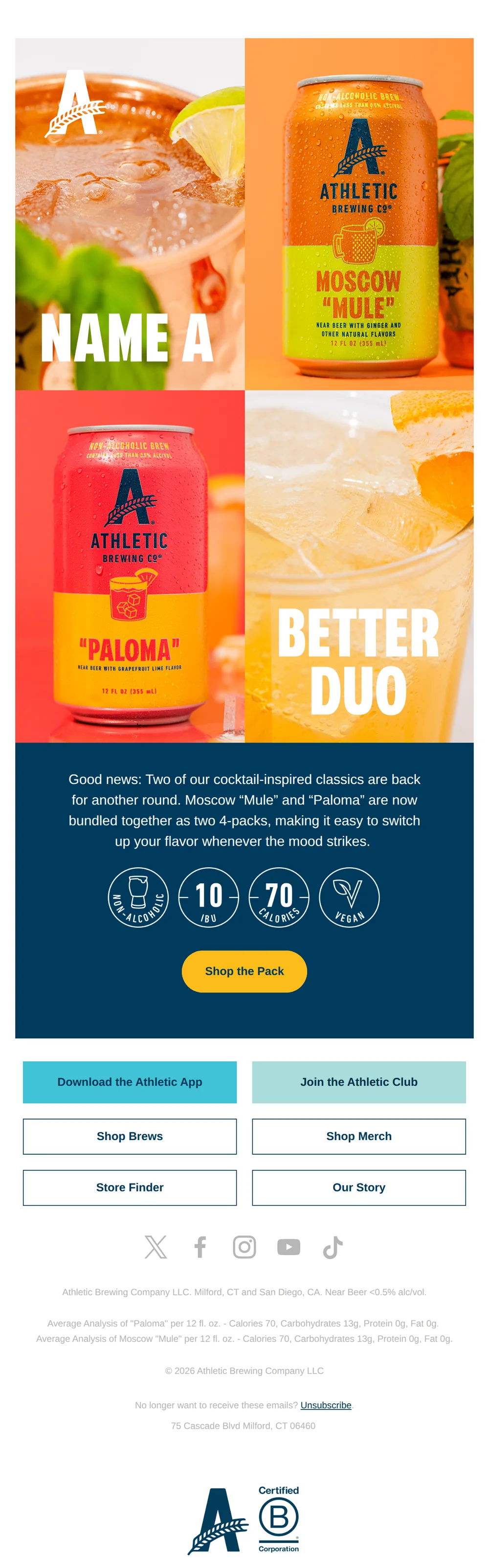
Name a better duo. We’ll wait.
Pattern: Two cocktail-inspired non-alcoholic cans bundled together.
Use it here: Show why two items belong together through a recognizable use moment, not a generic recommendation block with no product relationship.
Open reference in new tab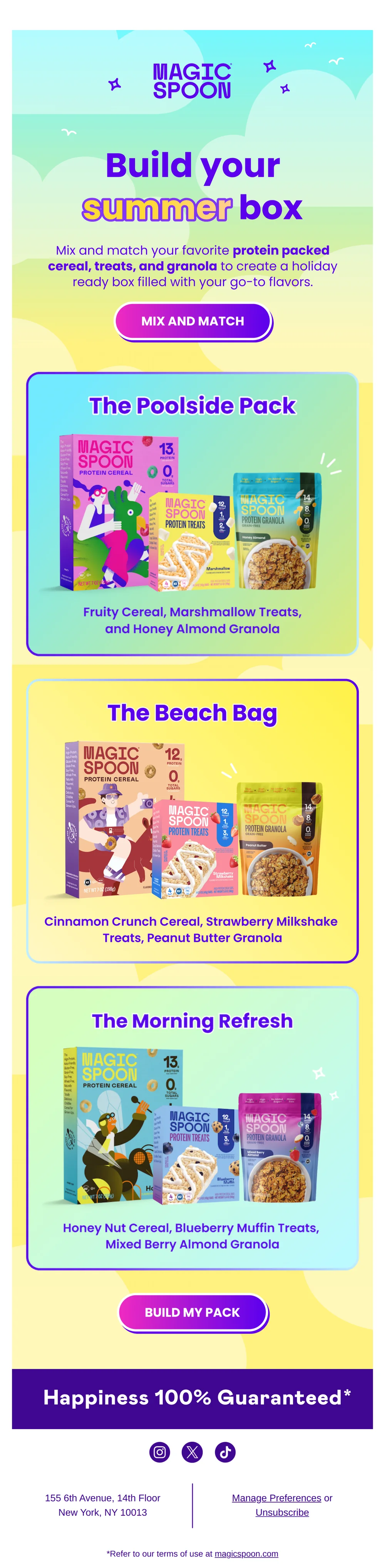
Main character summer starts with a protein box ☀️
Pattern: build your own summer snack bundle box.
Use it here: A build-your-own bundle can make choice feel useful; limit it to products and margins that make the proposed combination defensible.
Open reference in new tabCreative and design curation only. These are role references, not reported revenue, conversion, or a promise that the exact tactic will transfer unchanged.
Need help implementing this?
We build and manage complete email & SMS programs for DTC brands. Get a custom plan for your brand.
Get Your Free Audit + Gameplan